
Indoor Soccer vs Futsal: 7 Key Differences Explained (2026)
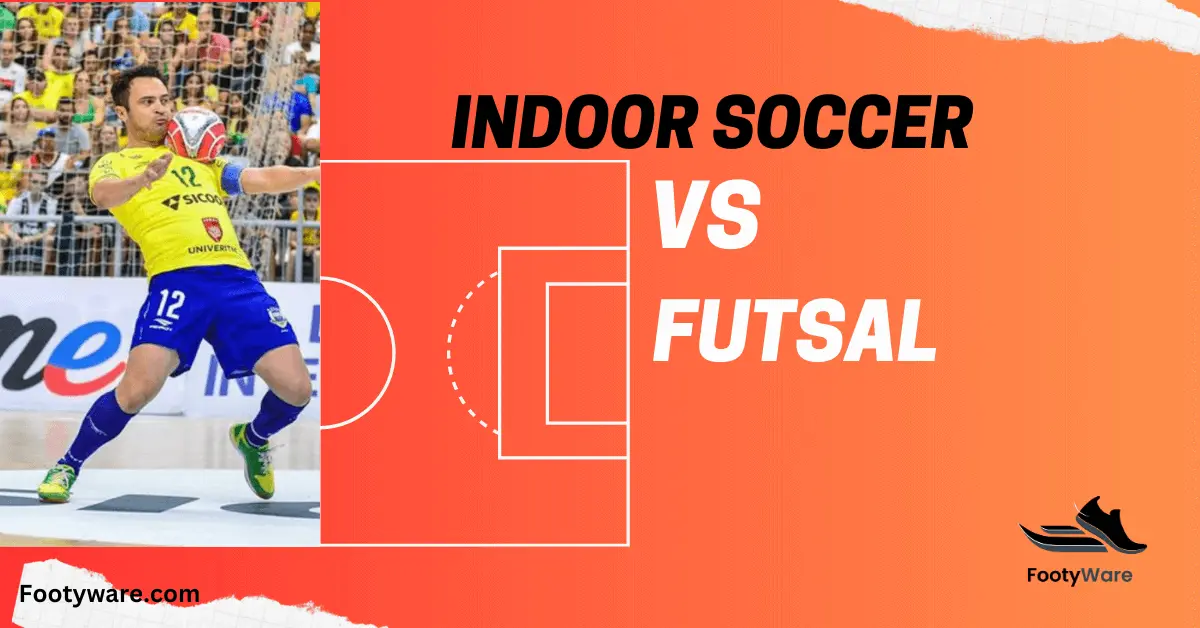
Quick Answer: Indoor soccer and futsal are distinct sports. Futsal uses a smaller, low-bounce ball on a hard court (5v5, no walls, FIFA-regulated), while indoor soccer is played on turf with walls (6v6, standard ball, unregulated). Futsal emphasizes technical skill; indoor soccer focuses on physicality and teamwork.
What’s the Difference Between Indoor Soccer and Futsal?
While both sports bring the beautiful game indoors, indoor soccer and futsal offer completely different playing experiences. Understanding these differences will help you choose which sport best fits your playing style and development goals.
Quick Comparison Table
| Feature | Indoor Soccer | Futsal |
|---|---|---|
| Playing Surface | Artificial turf | Hard court (wood, concrete, sport court) |
| Court Dimensions | 138′ x 82′ to 200′ x 85′ | 125′ x 82′ (basketball court size) |
| Ball Type | Standard size 5 soccer ball | Size 4, low-bounce futsal ball |
| Team Size | 6 vs 6 (including goalkeeper) | 5 vs 5 (including goalkeeper) |
| Game Duration | 2 x 25-minute halves | 2 x 20-minute halves |
| Clock Type | Running clock | Stop clock |
| Walls/Boundaries | Walls surrounding field | Lines only (no walls) |
| FIFA Recognition | No | Yes |
| Olympic Sport | No | Yes |
| Footwear | Turf shoes with rubber studs | Flat-soled futsal shoes (non-marking) |
The 7 Key Differences Between Indoor Soccer and Futsal
1. Playing Surface and Court Size
Indoor Soccer:
- Played on artificial turf enclosed by walls (similar to hockey rinks)
- Field size varies: 138′ x 82′ minimum to 200′ x 85′ maximum
- Walls keep the ball in play and can be used strategically
- More spacious playing area allows for longer runs
Futsal:
- Played on hard, smooth surfaces (wood, concrete, or sport court)
- Standardized court: approximately 125′ x 82′ (basketball court size)
- Marked with lines like basketball; ball goes out of bounds
- Compact space creates high-pressure situations
Impact on Play: The smaller futsal court intensifies gameplay, requiring quick decision-making in tight spaces. Indoor soccer’s walls create continuous action with fewer stoppages.
2. The Ball: Size, Weight, and Bounce
Indoor Soccer:
- Uses a standard size 5 soccer ball
- Normal bounce characteristics
- Familiar feel for outdoor soccer players
- Can be played with various ball types depending on league rules
Futsal:
- Uses a size 4 ball that’s smaller and heavier
- Specially designed with 30% less bounce
- Foam-filled or low-pressure construction
- Forces players to develop superior ball control
Impact on Play: The futsal ball stays closer to the ground, encouraging ground-based passing and dribbling. This develops exceptional touch and technique that translates directly to outdoor soccer.
3. Team Formation and Player Positions
Indoor Soccer Positions:
- 1 Goalkeeper
- 2 Defenders
- 2 Midfielders
- 1 Forward
- More traditional soccer positions apply
- Formations can be flexible (some leagues allow 7 players)
Futsal Positions:
- Goleiro (Goalkeeper): Last line of defense, must be vocal and decisive
- Fixo (Defender): Anchors the defense, similar to a sweeper
- Alas (Wingers): Two wing players who attack and defend on either side
- Pivot (Forward): Primary striker, leads the attack
Impact on Play: Futsal’s specialized positions create a more structured tactical approach, while indoor soccer allows for more positional fluidity.
4. Rules and Regulations
Indoor Soccer:
- Not governed by FIFA
- Rules vary by league and facility
- Can be modified based on player agreement
- Throw-ins used when ball goes out
- Generally more lenient with physical contact
- No standardized substitution rules
Futsal:
- Strictly regulated by FIFA
- Standardized international rules
- Kick-ins instead of throw-ins
- 4-second rule for goalkeeper possession
- Accumulated fouls system (after 5 team fouls, direct free kicks awarded)
- Unlimited substitutions (flying substitutions allowed)
- No offside rule
- One timeout per half (1 minute)
Impact on Play: Futsal’s strict regulations create a more disciplined, strategic game. Indoor soccer’s flexibility makes it more accessible for casual play.
5. Game Duration and Time Management
Indoor Soccer:
- Two 25-minute halves (50 minutes total)
- Running clock (doesn’t stop for stoppages)
- Quick-paced with minimal breaks
- Halftime break varies by facility
- Time rules may vary by league
Futsal:
- Two 20-minute halves (40 minutes total)
- Stop clock (pauses for stoppages, like basketball)
- 15-minute halftime break
- Actual playing time is closer to advertised time
- Teams switch benches at halftime
Impact on Play: The stop clock in futsal ensures fairer playing time and reduces time-wasting tactics. Indoor soccer’s running clock creates a faster, more continuous flow.
6. Physical Demands and Playing Style
Indoor Soccer:
- More physical contact allowed
- Emphasizes athleticism, speed, and endurance
- Walls create unique tactical opportunities
- Longer runs and more space to cover
- Body checking similar to hockey in some leagues
- Fast transitions from defense to attack
Futsal:
- Technical skill prioritized over physicality
- Requires exceptional ball control and first touch
- Close-quarters dribbling essential
- Quick passing in tight spaces
- Positional awareness crucial
- Less physical contact, more finesse
Impact on Play: Indoor soccer builds cardiovascular fitness and team coordination. Futsal develops technical mastery, creativity, and individual skill.
7. Governing Bodies and Competition Levels
Indoor Soccer:
- No international governing body
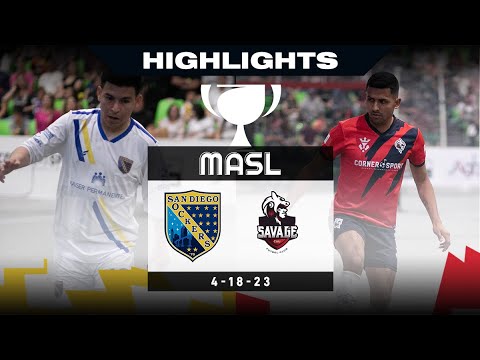
- Regional and national leagues (like MASL in North America)
- Varies significantly by country
- Popular in recreational and amateur settings
- Professional leagues exist but aren’t universal
Futsal:
- FIFA-sanctioned with standardized global rules
- FIFA Futsal World Cup held every four years
- Continental championships (UEFA, CONMEBOL, etc.)
- Olympic sport
- Professional leagues worldwide
- Clear pathway from youth to professional levels
Impact on Players: Futsal offers structured competitive opportunities and international recognition. Indoor soccer provides flexible, accessible recreational play.
Advantages of Indoor Soccer
Benefits
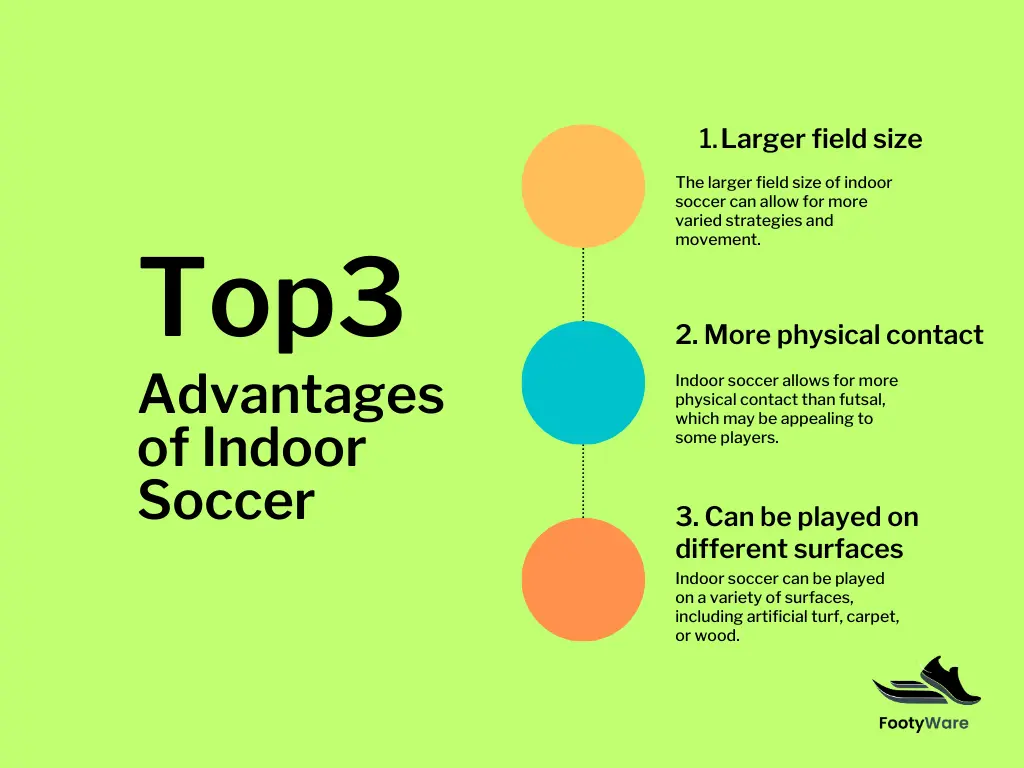
✓ Beginner-friendly with flexible rules and formats ✓ Year-round play regardless of weather conditions ✓ Develops teamwork through continuous ball movement ✓ Builds cardiovascular fitness with constant running ✓ Strategic wall play adds unique tactical dimension ✓ Social and recreational atmosphere for all skill levels ✓ More affordable with casual league options ✓ Accessible with many facilities available
Drawbacks
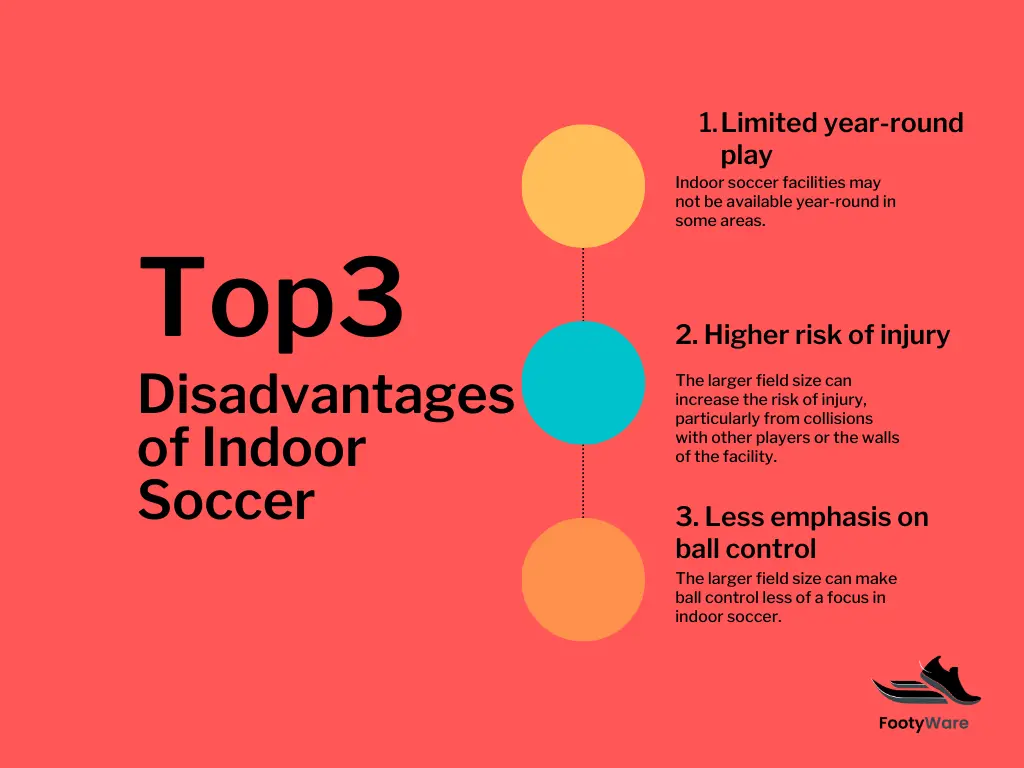
✗ Higher injury risk due to walls and physical play ✗ No standardized rules across different venues ✗ Limited competitive pathway without FIFA structure ✗ Turf burns possible on artificial surfaces ✗ Walls favor offense making defending more challenging ✗ Not recognized internationally for competitive advancement
Advantages of Futsal
Benefits
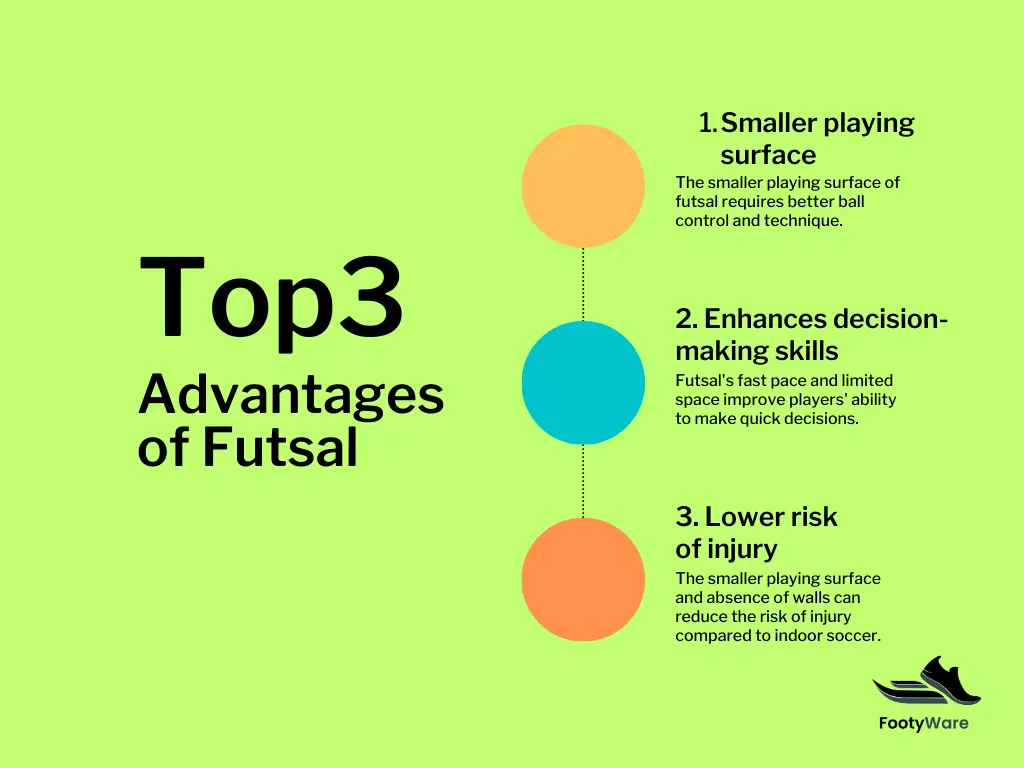
✓ FIFA recognition with international competitions ✓ Superior skill development for ball control and technique ✓ Transfers to outdoor soccer better than indoor soccer ✓ Structured competitive pathway from youth to professional ✓ Lower injury rate with less physical contact ✓ Famous player endorsement (Pelé, Ronaldo, Messi all played futsal) ✓ Develops creativity through tight-space problem-solving ✓ International opportunities including World Cup and Olympics
Drawbacks
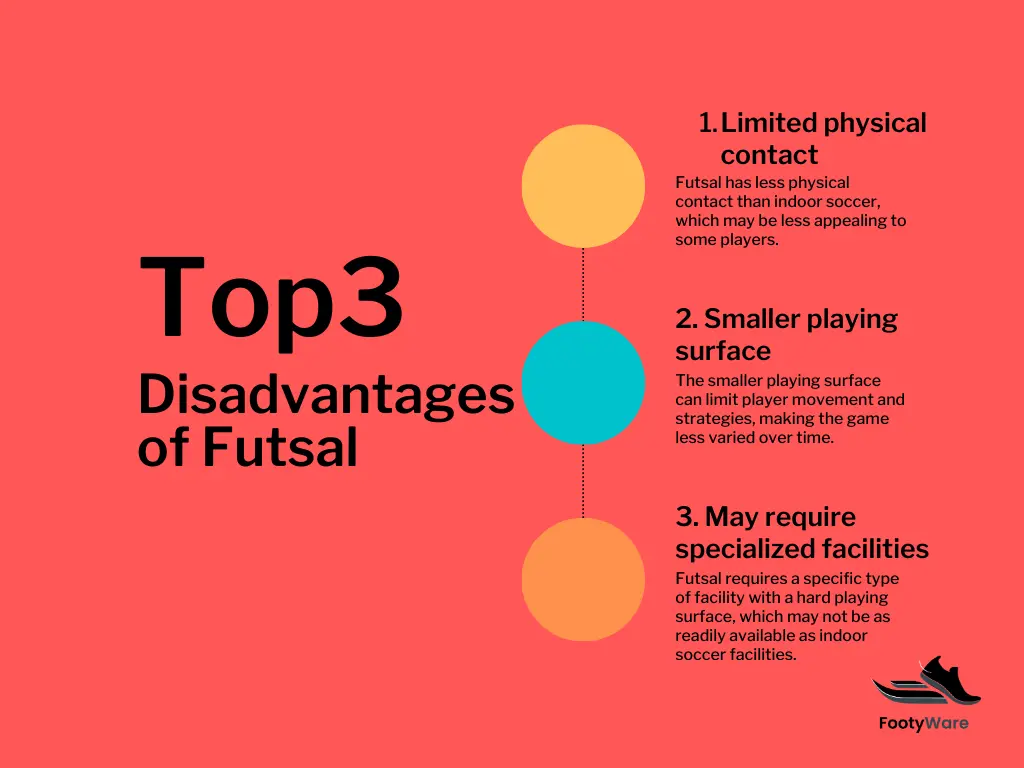
Drawbacks
✗ Strict rules require more discipline and game knowledge ✗ Less flexible for casual, pick-up games ✗ Requires commitment to learn tactical systems ✗ Fewer facilities compared to indoor soccer venues ✗ More competitive environment can be intimidating
Brief History: How These Sports Began
Futsal Origins (1930)
Futsal was invented in Montevideo, Uruguay in 1930 by Juan Carlos Ceriani. As a teacher at the YMCA, he created the game to allow youth soccer players to practice indoors on basketball courts during poor weather. The sport’s name comes from the Spanish “fútbol de salón” (indoor soccer).
Brazil embraced futsal enthusiastically, and the sport spread throughout South America before gaining worldwide recognition. FIFA officially took over futsal governance in 1989.
Indoor Soccer Origins (1970s-1980s)
Indoor soccer emerged in North America during the 1970s and 1980s as a solution for playing soccer during harsh winter months. The sport incorporated walls similar to hockey rinks, creating a unique, fast-paced game.
The Major Indoor Soccer League (MISL) launched in 1978, bringing professional indoor soccer to American audiences. The sport remains popular in North America as a recreational and competitive option.
Futsal World Champions: Dominating Nations
Futsal’s FIFA recognition has produced multiple World Cup tournaments:
FIFA Futsal World Cup Winners:
- 🇧🇷 Brazil – 5 titles (1989, 1992, 1996, 2008, 2012)
- 🇪🇸 Spain – 2 titles (2000, 2004)
- 🇦🇷 Argentina – 1 title (2016)
- 🇵🇹 Portugal – 1 title (2021)
Brazil dominates futsal just as they do outdoor soccer, producing legendary players like Falcão (considered the greatest futsal player ever) and Ricardinho (multiple FIFA Futsal Player of the Year awards).
| Champions of Futsal Nations |
|---|
| 5 times world futsal champions Brazil in 1989, 1992, 1996, 2008 and 2012 |
| 2 times world futsal champions Spain in 2000 and 2004 |
| 1-time world futsal champion Argentina in 2016 |
| 1-time world futsal champion Portugal in 2021 |
Which Sport is Better: Indoor Soccer or Futsal?
The answer depends entirely on your goals, experience level, and what you want from the game:
Choose Indoor Soccer If You:
- Want a casual, social soccer experience
- Enjoy physical, fast-paced gameplay
- Prefer flexibility in rules and formats
- Are new to soccer and want to learn basics
- Want affordable recreational leagues
- Enjoy the strategic element of wall play
- Don’t have access to futsal facilities
Choose Futsal If You:
- Want to maximize technical skill development
- Plan to play competitive outdoor soccer
- Prefer structured, rule-based competition
- Seek international playing opportunities
- Value FIFA recognition and standardized play
- Want to develop exceptional ball control
- Are committed to serious soccer development
The Ideal Path for Serious Players
Many professional soccer players recommend this progression:
- Start with indoor soccer to learn basics in a fun environment
- Transition to futsal to develop technical mastery
- Apply skills to outdoor soccer for complete development
Pro players who credit futsal: Lionel Messi, Cristiano Ronaldo, Ronaldinho, Neymar, Andrés Iniesta, and countless others developed their skills playing futsal before transitioning to outdoor soccer.
Similarities Between Indoor Soccer and Futsal
Despite their differences, both sports share common elements:
Shared Characteristics:
- Small-sided gameplay (5v5 or 6v6)
- Indoor playing environment
- Fast-paced, high-intensity action
- No offside rule in either sport
- Develops quick decision-making
- Year-round availability
- Flat-soled footwear required (though different types)
- Emphasis on ball control in tight spaces
- Unlimited or rolling substitutions
- Shorter game duration than outdoor soccer
Indoor Soccer vs Outdoor Soccer: Key Differences
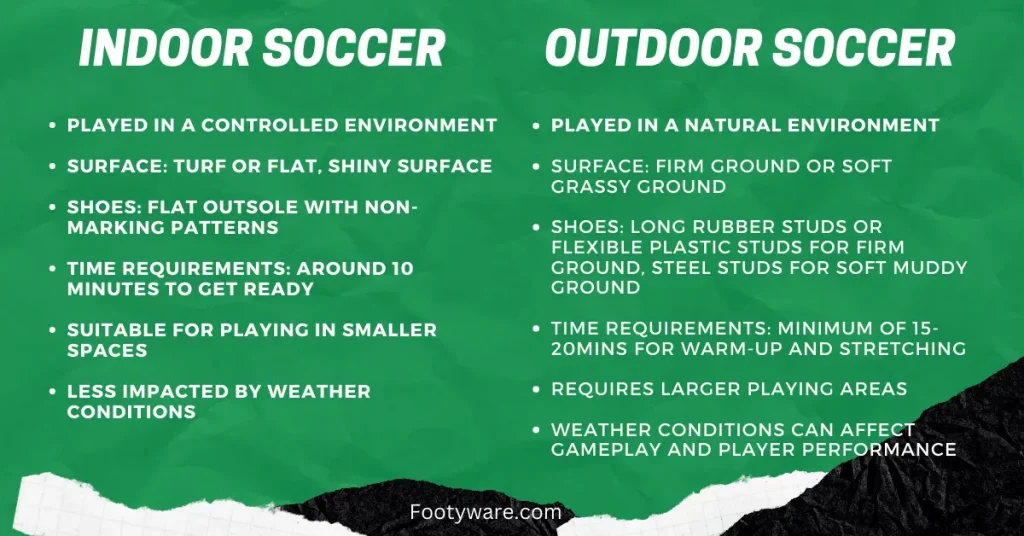
Indoor vs Outdoor Soccer Comparison
| Aspect | Indoor Soccer | Outdoor Soccer |
|---|---|---|
| Environment | Controlled indoor facility | Natural outdoor elements |
| Surface | Artificial turf | Natural grass or artificial turf |
| Boundaries | Walls keep ball in play | Lines mark out of bounds |
| Team Size | 6 vs 6 | 11 vs 11 |
| Field Size | 138′ x 82′ to 200′ x 85′ | 330′ x 225′ (full size) |
| Footwear | Turf shoes with small studs | Cleats with longer studs |
| Game Length | 50 minutes (2 x 25 min) | 90 minutes (2 x 45 min) |
| Weather Impact | None | Significant |
| Playing Style | Fast, continuous action | More strategic, varied pace |
Best Shoes for Indoor Soccer and Futsal
Indoor Soccer Shoes (Turf Shoes)
Look for shoes with:
- Multiple small rubber studs on the outsole
- Durable upper materials for wall contact
- Good ankle support
- Cushioning for impact absorption
- Breathable materials
Recommended Features:
- TF (Turf) designation
- Non-marking soles (for some facilities)
- Reinforced toe box
- Flexible soleplate
Futsal Shoes
Look for shoes with:
- Flat gum rubber outsole (no studs)
- Non-marking sole (essential for indoor courts)
- Enhanced ball feel and touch
- Low-profile design for court feel
- Excellent grip on hard surfaces
Recommended Features:
- IC (Indoor Court) or IN (Indoor) designation
- Leather or quality synthetic upper
- Minimal cushioning for court contact
- Reinforced areas for toe drags
Important: Never wear outdoor cleats or turf shoes on futsal courts—they can damage the surface and reduce your ball control.
The Pros and Cons of Indoor Soccer
Pros
Cons
Indoor soccer is not working under the guidance of FIFA so no bothers it but it’s good for beginners to start. It improves ball control because in tight spaces it’s needed. You can shape it according to the availability of players and space.
Walls make it difficult for defenders and they’re unable to judge the direction of the ball because the wall works like a player. It’s usually played casually, especially by beginners used to playing indoor soccer.
The Pros and Cons of Futsal
Pros
Cons
Futsal is being recognized by FIFA and proper funds are being provided to the nations participating in the tournaments that FIFA overlooks. No side walls in futsal but it still needs ball control and dribbling skills.
Time is less to play and some time-wasting tactics are being taught by the coaches that are unethical other than a proper set of rules being followed.
Futsal vs Indoor Soccer Key Differences
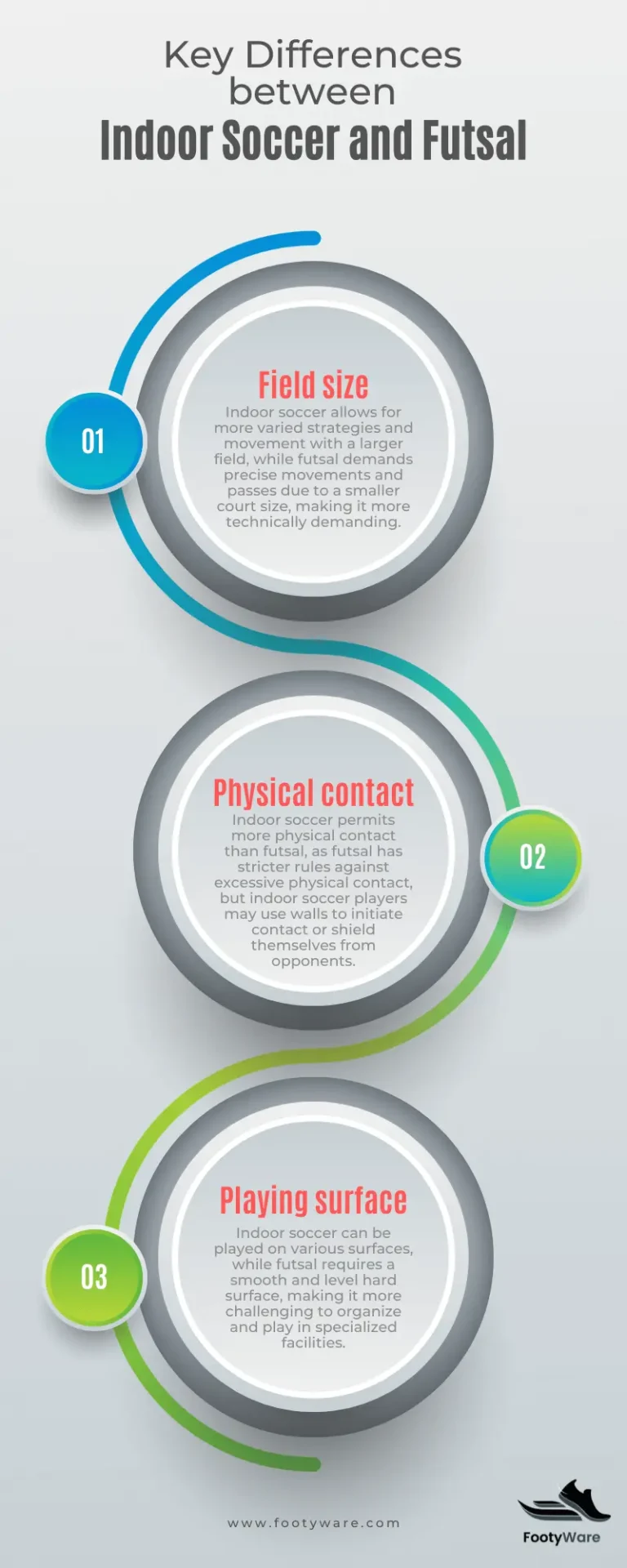
| Indoor Soccer | Futsal |
|---|---|
| Forward, Midfielder, Defender, and Goalie | Pivot, Alas, Fixo, and Goalie |
| 2 halves of 25 minutes | 20 mins halves |
| Throw-ins | Kick in |
| Size 5 ball | Size 4 ball (30% less bounce) |
| Normal ball | Weighted ball |
| Beginner friendly | Not beginner friendly |
Top Futsal Positions for Players
Some of the top futsal positions used globally are the following;
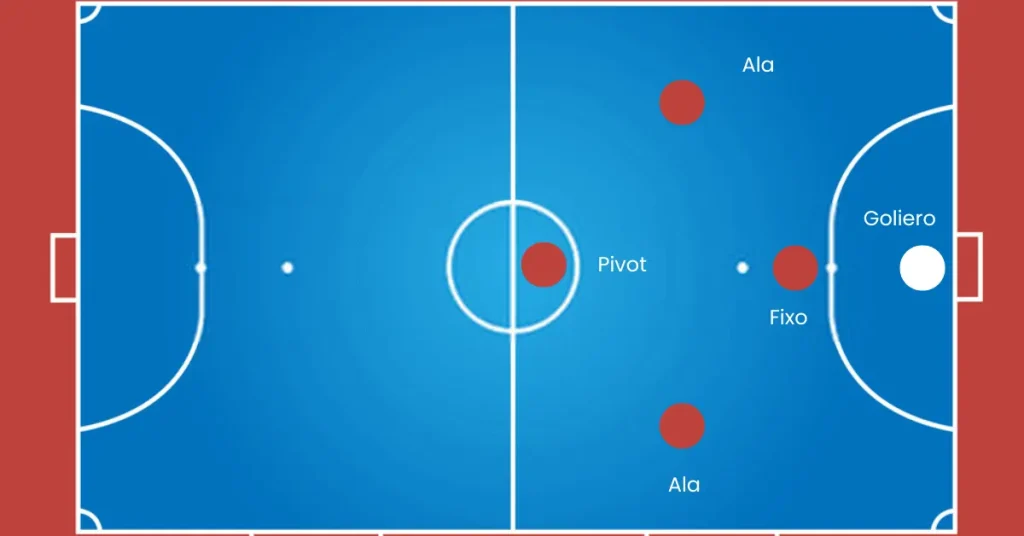
1 Goliero (Goalkeeper)
The goalkeeper must be a brave one with intelligence and the presence of mind is the key. As keepers play at the back one who’s watching the broader picture from the back can guide his team accordingly. It’s the most vital position in a team.
It’s the last wall of defense.
1 Fixo (Defender)
The defender must be very mature calm-minded minded who’s aware of the game. An experienced player at the back should be and should work according to the plan. Defenders must be physically aggressive but mentally cool-minded.
He is the one who has to hold up the play and put in last-ditch tackles to avoid shooting at the goal.
2 Ala (Wingers)
Wingers are the youngest, most skilled, and most talented players in a team who have to run all over the pitch to attack and defend. These are the quickest in making their decisions and moving around.
They should be very responsive in receiving and giving the ball accurately.
1 Pivot (Forward)
You can call him the scorer or striker who is there to put the ball into the net and finish the move. He should be agile and hungry for goals. To keep them coming he has to remain focused and end the game in favor of his team.
These are the widely accepted positions of futsal. They all move around the pitch and make spaces to give and take the ball so that they can keep possession.
Conclusion of Indoor Soccer Vs Futsal
While indoor soccer and futsal share the same roots in the beautiful game, they offer distinct playing experiences that cater to different styles, skill levels, and preferences:
| Aspect | Indoor Soccer | Futsal |
|---|---|---|
| Surface | Turf | Hard court |
| Ball | Standard soccer ball | Smaller, heavier ball |
| Court Size | Larger (82′ x 49′ to 138′ x 82′) | Compact (approx. 200′ x 85′) |
| Team Size | 6 vs. 6 (variations exist) | 5 vs. 5 |
| Game Length | 2 x 25 minutes | 2 x 20 minutes |
| Governing Body | Not regulated by FIFA | Regulated by FIFA worldwide |
💡 Indoor soccer offers:
- A more athletic, teamwork-focused play
- Familiarity with a standard ball and turf surface
- An ideal entry point for beginners
💡 Futsal provides:
- A master class in individual skill and ball control
- Strategic play in tight spaces, testing decision-making
- A structured pathway under FIFA for skill development
Whether you crave the intense physicality of indoor soccer or the technical artistry of futsal, both variants promise:
✨ Opportunities to grow as a player ✨ Unforgettable moments with teammates
✨ Pure excitement in the electrifying world of the beautiful game
So, grab your shoes, step onto the court or turf, and experience the unique thrill that indoor soccer and futsal have to offer!
Indoor soccer
Futsal
Complete Futsal Rules Summary (FIFA)
Understanding futsal’s official rules helps you transition from casual indoor soccer:
Basic Regulations
- Players: 5 per team (1 goalkeeper + 4 field players)
- Substitutions: Unlimited flying substitutions
- Duration: 2 x 20-minute halves with stop clock
- Timeouts: One 1-minute timeout per team per half
- Ball: Size 4 futsal ball (reduced bounce)
Key Rules
- Kick-ins: Replace throw-ins when ball crosses sideline
- Accumulated fouls: After a team’s 5th foul in a half, opponents get direct free kicks without a wall
- 4-second rule: Goalkeeper has 4 seconds to release the ball
- Goalkeeper restrictions: Cannot touch the ball again with hands until an opponent touches it
- No offside: Players can position anywhere on the court
- Sliding tackles: Generally prohibited unless on own goalkeeper
Restart Rules
- Kick-off: Starts each half and after goals
- Goal clearance: Goalkeeper throws (not kicks) from inside the penalty area
- Corner kicks: Taken when ball crosses goal line off defending team
Free kicks: Direct or indirect depending on infraction
I would suggest you start your career with indoor soccer and then go towards futsal. After that, you can start playing soccer outside. Indoor soccer and futsal will improve your skill and ball control. It’s all about the confidence that you need to play the game.
Good luck!!!
FAQs of Indoor Soccer Vs Futsal
Conclusion: Embrace Both Sports for Complete Development
Indoor soccer and futsal aren’t competing alternatives—they’re complementary training methods that develop different aspects of your game:
Indoor Soccer offers:
- Accessible entry point for beginners
- Physical fitness and cardiovascular development
- Teamwork and communication skills
- Year-round recreational opportunities
- Unique tactical elements with wall play
Futsal provides:
- Elite technical skill development
- International competitive opportunities
- Direct transfer to outdoor soccer excellence
- Creativity and decision-making under pressure
- FIFA recognition and structured pathways
The Winning Strategy
For players serious about soccer development:
- Use indoor soccer for fitness, fun, and social play
- Practice futsal for technical mastery and skill refinement
- Apply both to outdoor soccer for complete game understanding
Whether you choose the physical intensity of indoor soccer or the technical artistry of futsal, both sports offer incredible opportunities to grow as a player and experience the beautiful game in exciting new ways.
Grab your shoes, find a court, and discover which style speaks to you—or better yet, master both and become the complete player you aspire to be.